
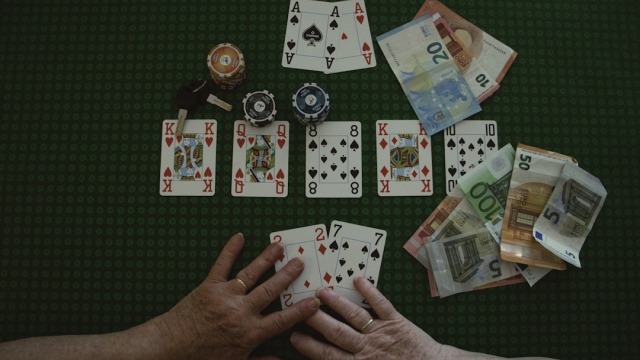

Card games have long been a source of entertainment and social interaction across various cultures, offering a unique glimpse into the customs and traditions of a community. The concept of card game diversity reflects the multitude of games that have evolved over time, showcasing distinct rules, strategies, and cultural significance. In Pakistan, traditional card games hold a special place, with a rich variety of games that not only entertain but also strengthen social bonds. This article explores the landscape of card games in Pakistan, delving into popular variants, their rules, and the cultural importance of these games.
Overview of Traditional Card Games in Pakistan
In Pakistan, card games are more than just a pastime; they are an integral part of family gatherings, social events, and community celebrations. Traditional card games such as Poker, Rummy, and particularly Teen Patti have deep roots in the cultural fabric of the country. Each game carries its own set of traditions and variations, often influenced by the region and the players’ preferences. The diversity of card games in Pakistan is a testament to the creativity and adaptability of its people, who have cultivated these games to suit their social contexts.
Popular Variants of Card Games and Their Rules
Among the myriad of card games enjoyed in Pakistan, Teen Patti stands out as a favorite. Often referred to as the “Indian Poker,” Teen Patti is played with a standard deck of cards and involves betting and bluffing. The game’s objective is to have the best three-card hand, and players can either show their cards or bet without revealing them. The variants of Teen Patti include:
1. Classic Teen Patti
This variant is the most straightforward form of the game. Players are dealt three cards face down, and they can bet based on their confidence in their hand. The player with the highest-ranking hand wins the pot. Hands are ranked similar to Poker, with three of a kind being the highest.
2. Joker Teen Patti
In this version, one or more cards are designated as jokers, which can be used to represent any card. This adds an extra layer of strategy as players can create stronger hands using the joker cards. The gameplay remains similar to Classic Teen Patti, but players must adapt their strategies to account for the jokers.
3. 2-3-5 Teen Patti
This variant introduces specific rules for betting based on the number of players. The game begins with a designated minimum bet, and players can raise or fold based on their hand strength. The unique aspect of this variant is that it often incorporates elements of bluffing, making it a thrilling experience.
Another notable card game in Pakistan is Rummy, which also has various forms. The objective in Rummy is to form valid sets and sequences of cards. Players can play different versions such as Indian Rummy, which typically uses two decks of cards and involves two to six players. The rules require players to draw and discard cards, aiming to meld them into winning combinations.
Cultural Significance of Card Games in Pakistani Society
The cultural significance of card games in Pakistan extends beyond mere entertainment. These games foster social connections, serving as a means for family and friends to bond and engage in friendly competition. During festivals, weddings, and other celebrations, card games often take center stage, creating an atmosphere of joy and camaraderie. They are not just games; they are part of storytelling, strategy, and social interaction.
Furthermore, card games often reflect the local culture, with variations that cater to regional preferences and customs. This diversity enriches the gaming experience, allowing players to explore different strategies and forms of play. In this way, card game diversity serves as a mirror to the rich tapestry of Pakistani society, highlighting the creativity and adaptability of its people.
In conclusion, the world of card games in Pakistan is vibrant and diverse, offering a plethora of options for players of all ages. The various traditional games, particularly Teen Patti and Rummy, showcase the unique cultural elements that define the gaming experience in the country. As players gather around the table, they engage not only in competition but also in the shared joy of community and connection, ensuring that these games remain a cherished part of their cultural heritage. For those looking to experience this diversity, exploring platforms like Ludo Vegas can open up new avenues for enjoyment and engagement in the realm of card games.